Mexico’s Water
Case 2: Mexico’s Water
Mexico City was built by draining the lakes beneath it. Today the city pumps out groundwater faster than the aquifer can refill, and parts of it are sinking by nearly 25 centimeters a year. This is happening as the institutions meant to govern water, energy, and nuclear material come under strain from organized crime and a contested overhaul of the judiciary. Water here is entangled with climate, energy, nuclear security, AI, and democracy.
SELECT A STORY BELOW TO READ IT
Story
The Cárcamo
The Homage
Morning in Chapultepec Park, on the far side of the ring road from the castle. Runners pass a low fence, and behind it, in a shallow basin, a reclining figure lies with its face turned to the sky.
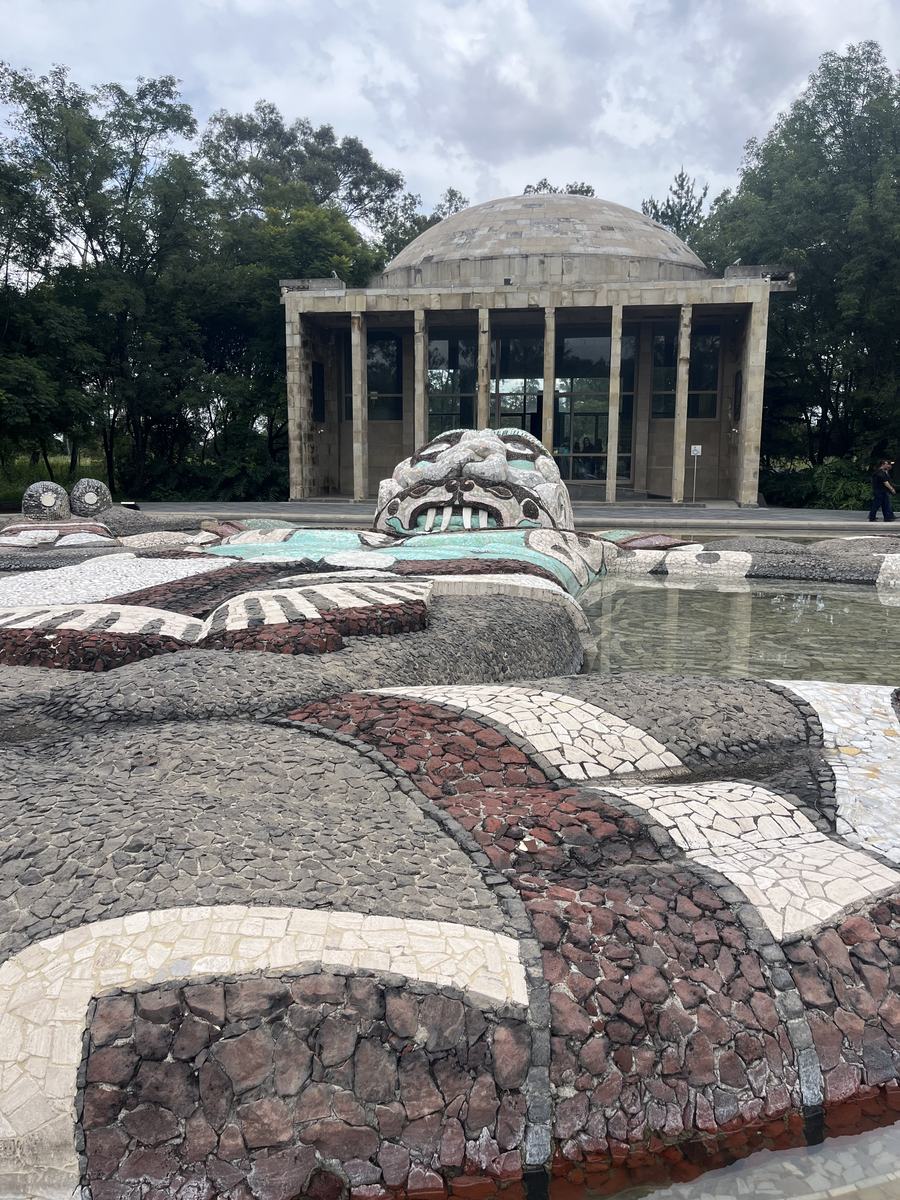
It’s Tláloc, the rain god, done in stone mosaic, meant to be seen from above.
Beside him is a small pale building with a domed roof. Inside, a tank has been painted from floor to ceiling. Trilobites and the first organisms cover the floor. A sound installation by the artist Ariel Guzik turns readings of sun, wind, and water into organ music that never repeats.
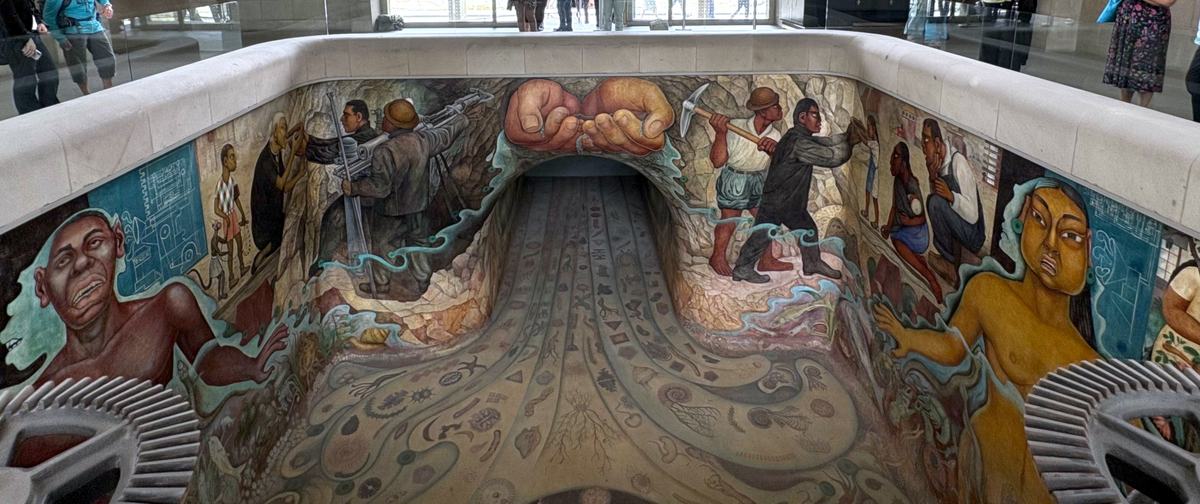
This is the Cárcamo de Dolores, designed by architect Ricardo Rivas and engineer Eduardo Molina. It opened in 1951 to mark the arrival of the Lerma system, a major transfer of water into Mexico City from another basin. Diego Rivera painted the tank where the water arrived. His mural, “El agua, origen de la vida en la Tierra,” was meant to be seen through the flowing water.
The water wore away the paint. In the early 1990s, the flow was diverted around the building, and the mural has been dry since.
The homage celebrates water arriving in the city. Architect Loreta Castro Reguera saw what it meant for the places it came from: “making an institution out of desiccating other basins to feed this enormous city.”
Follow the pipe backward.
The Lake
Aqueducts from the springs at Chapultepec fed Tenochtitlan, founded in 1325, an island city in the largest of the lakes that covered the valley floor, connected to shore by causeways. Mexico City occupies a closed basin 2,240 meters above sea level. Rain that falls here has no natural outlet to the sea.
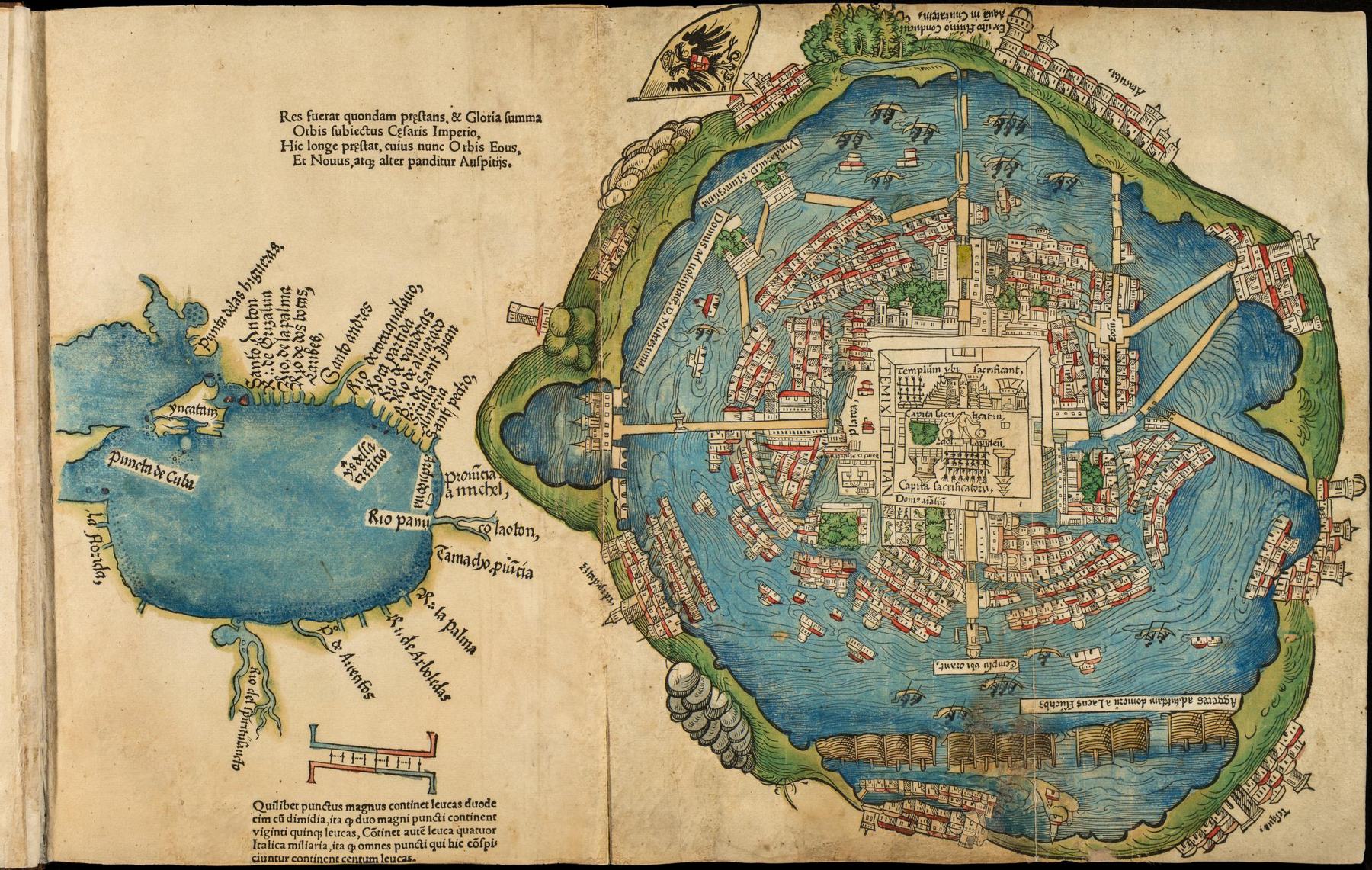
The Spanish took the city in 1521, rebuilt on its ruins, and began draining the lake. After the flood of 1604, the viceroy approved a tunnel at Nochistongo in 1607 to send Lake Zumpango and the Cuautitlán River out of the basin. It didn’t stop the floods.
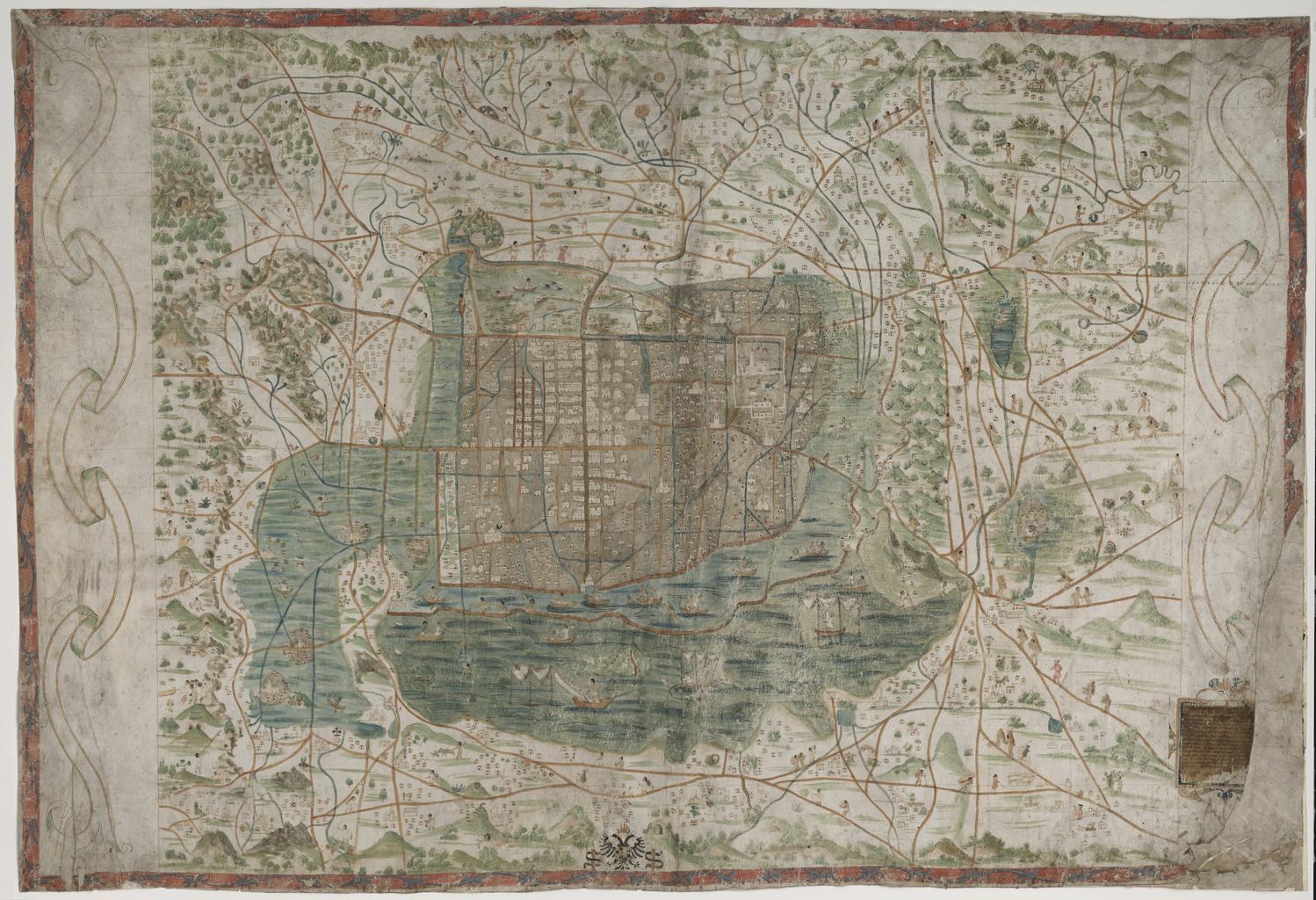
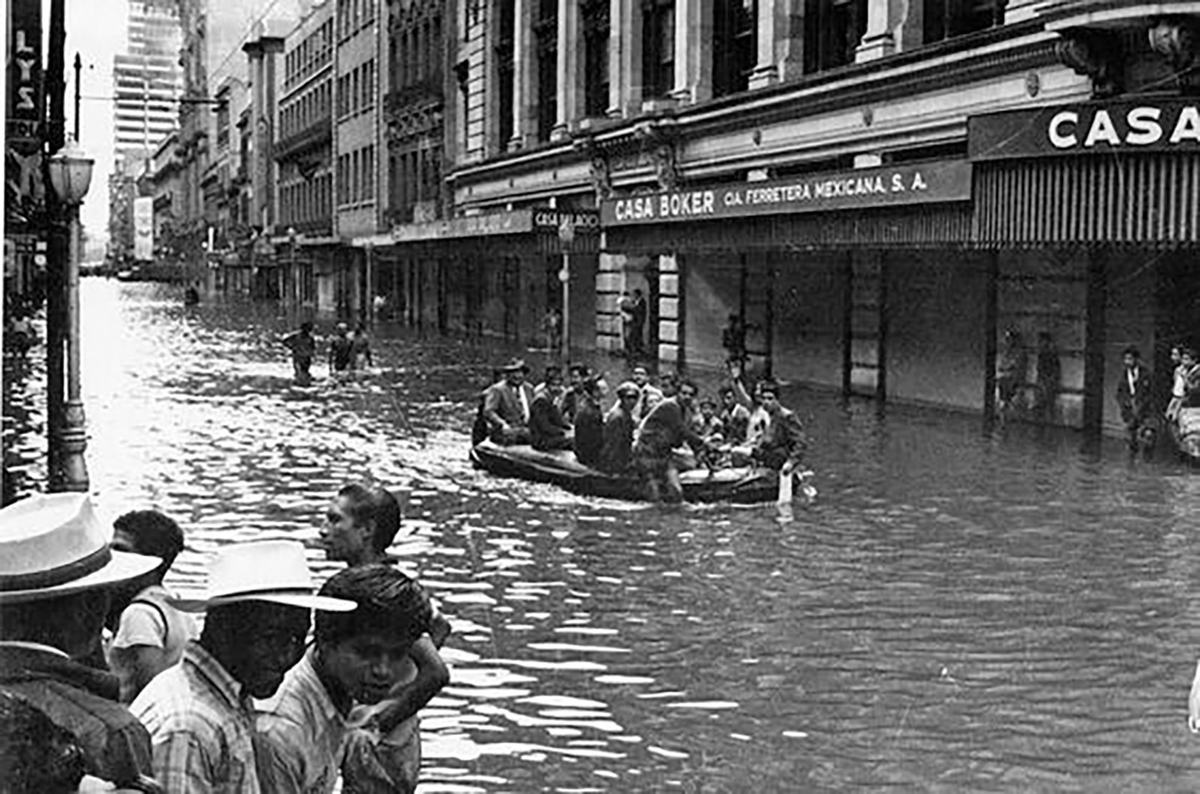
In 1900, Porfirio Díaz opened the Gran Canal, 47.5 kilometers of channel and a 10-kilometer tunnel at Tequixquiac, built to drain the city by gravity alone. Then the city sank below its own canal. Downtown flooded in 1951, and the canal has needed pumps ever since.
The deep drainage system followed, built from 1967 to 1975. Then came the Túnel Emisor Oriente, a 62-kilometer tunnel begun in 2008 and completed in 2019.
Every generation built a bigger pipe out. Almost 500 years later, Castro Reguera said, the city still hasn’t understood that it lives in a lake.
The Machine
Water comes in from the west, gets used, and is pumped out to the north and east.
The Cutzamala system began delivering water in 1982. In the early 1990s, wells in the Basin of Mexico supplied almost 72% of the metropolitan area’s water; Lerma and Cutzamala supplied about 26%.
In 2019, electricity for the Cutzamala pumps accounted for nearly a quarter of Conagua’s annual current spending. Across the city’s distribution network, about 40% of drinking water is lost to leaks before it reaches a tap.
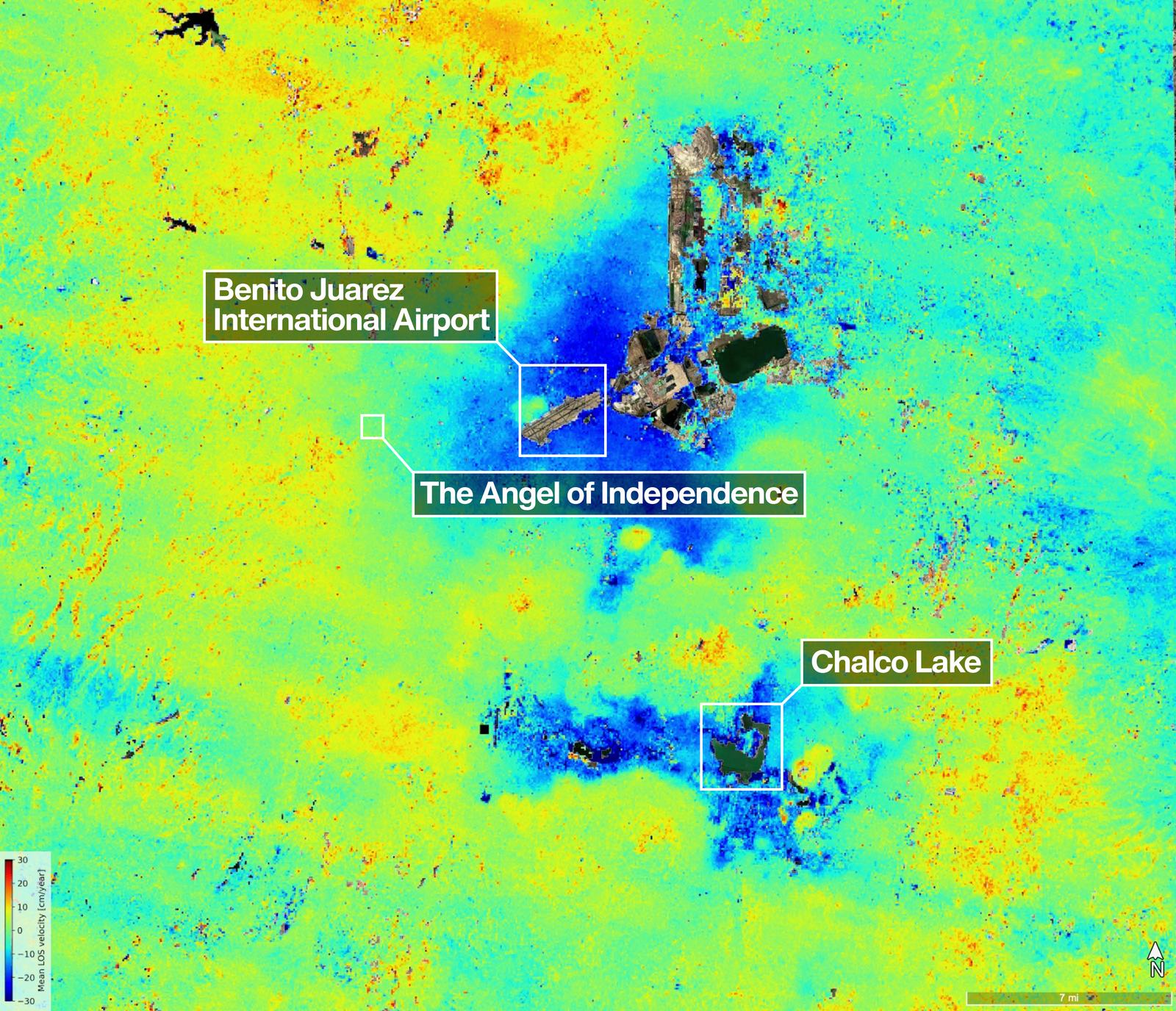
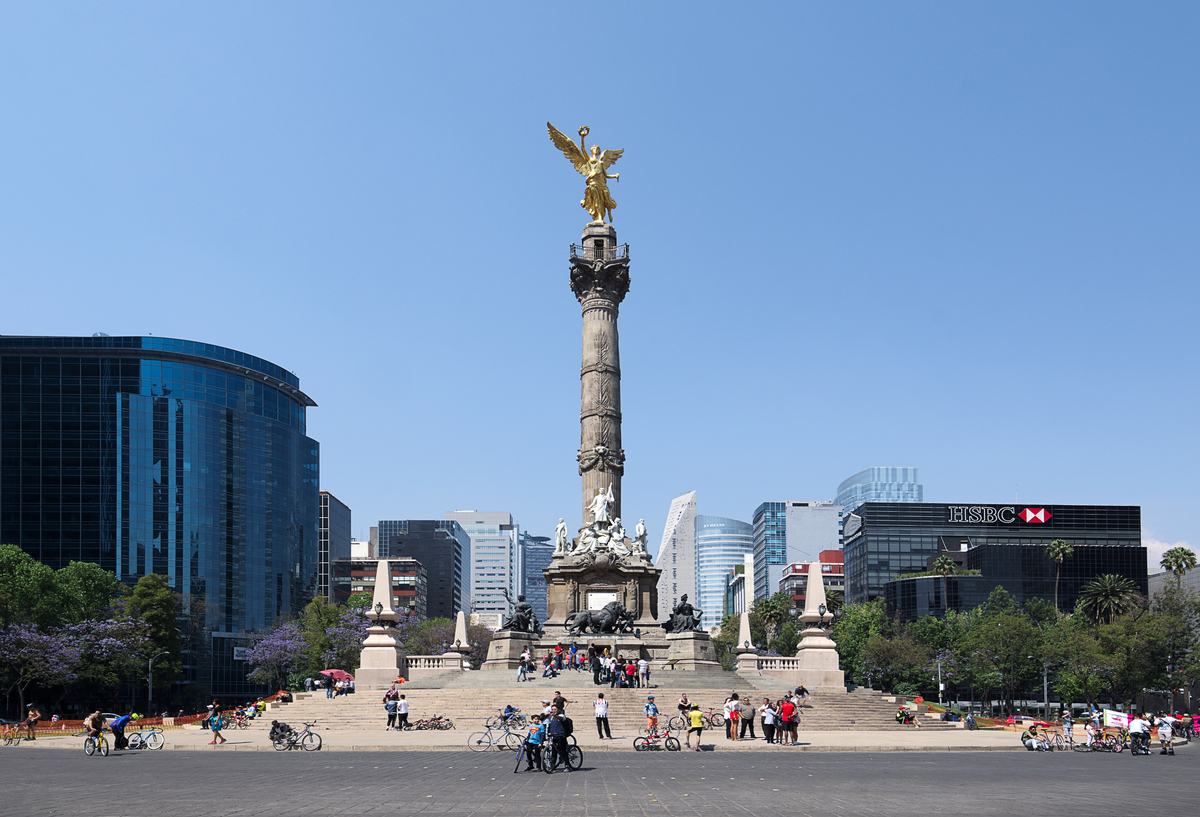
Beneath all of it, the aquifer drains and the old lakebed clay compacts. The sinking has been documented since 1925. In the 1990s and 2000s, the worst areas fell about 35 centimeters a year. In April 2026, NASA and the Indian space agency released new subsidence maps showing parts of the city sinking over 2 centimeters per month.
Castro Reguera’s description of the system: it “just eats and never gives anything back.”
The Plant
Part of the Cutzamala system passes through the Mazahua highlands around Villa de Allende, about 70 kilometers from Toluca. In September 2003, the Villa Victoria reservoir, one of the system’s dams, spilled into the Malacatepec River and flooded about 300 hectares of the communities’ crops.
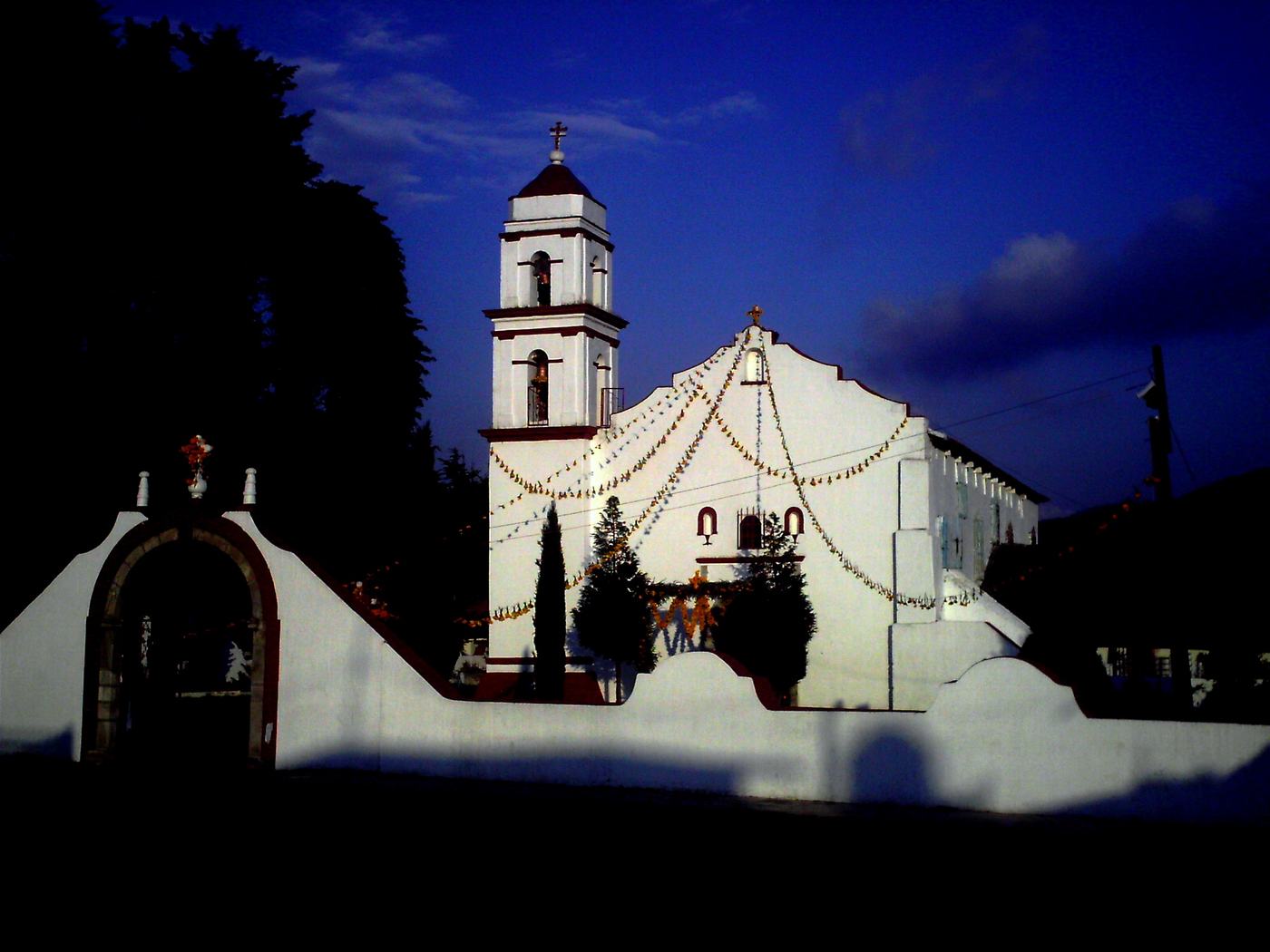
Many of the households beside the reservoir had no piped water. The water passing through the plant nearby was treated to drinking standard and pumped over the mountains to the capital.
In February 2004, communities formed a front to demand compensation. They marched by torchlight and staged a symbolic occupation of the Los Berros treatment plant, where Cutzamala’s water is cleaned before pumped toward the city. Months later, protesters stopped a chlorine truck bound for Los Berros. On Sept. 19, government officials came to negotiate the truck’s release.
On Sept. 24, the women established their own headquarters outside Los Berros. They formally organized themselves into battalions and marched in traditional Mazahua clothing, with wooden rifles and farm tools. They called themselves the Ejército Zapatista de Mujeres en Defensa del Agua. Their leaders took the title comandanta.
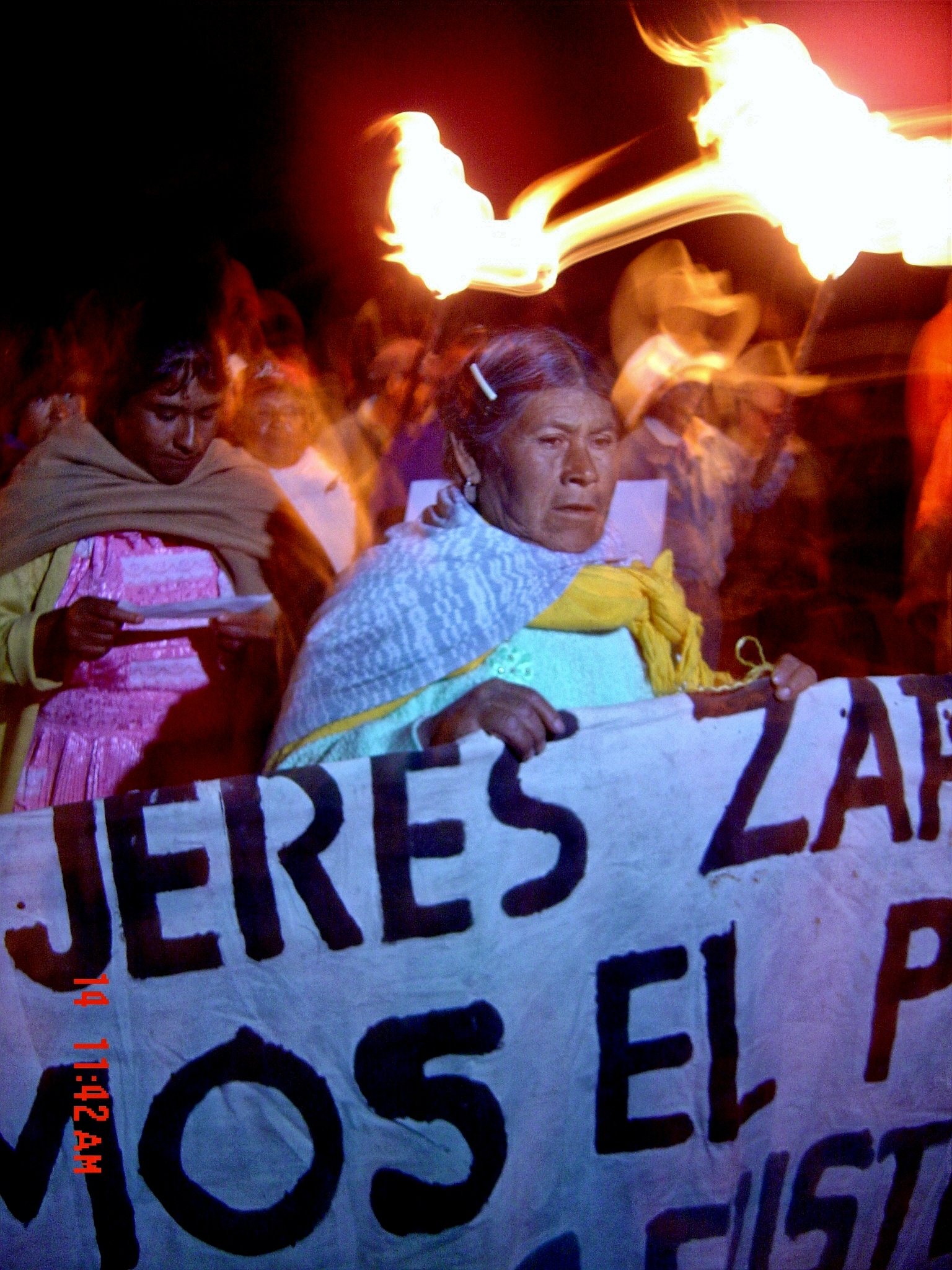
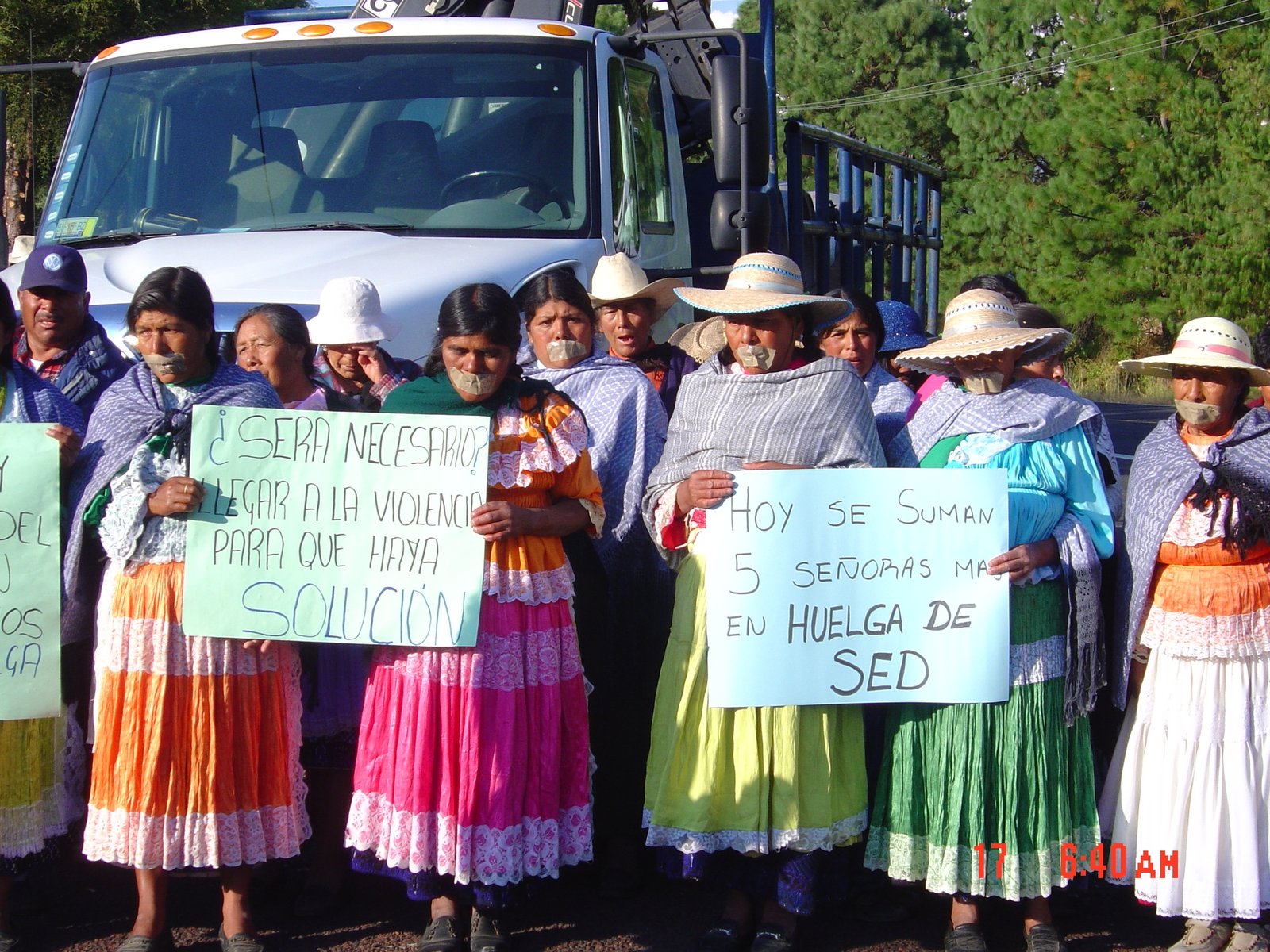
They demanded payment for the flooded crops, piped water, the return of expropriated land, and a development plan with clinics, schools, and jobs. The plant kept sending water to the capital.
The Grid
The Cutzamala pumps draw electricity from the national grid. Part of that grid is Laguna Verde, Mexico’s only nuclear power station. It has two boiling water reactors on the Veracruz coast, in operation since 1990 and 1995 and licensed to keep operating into the 2050s. It supplies roughly 4% of the country’s electricity.
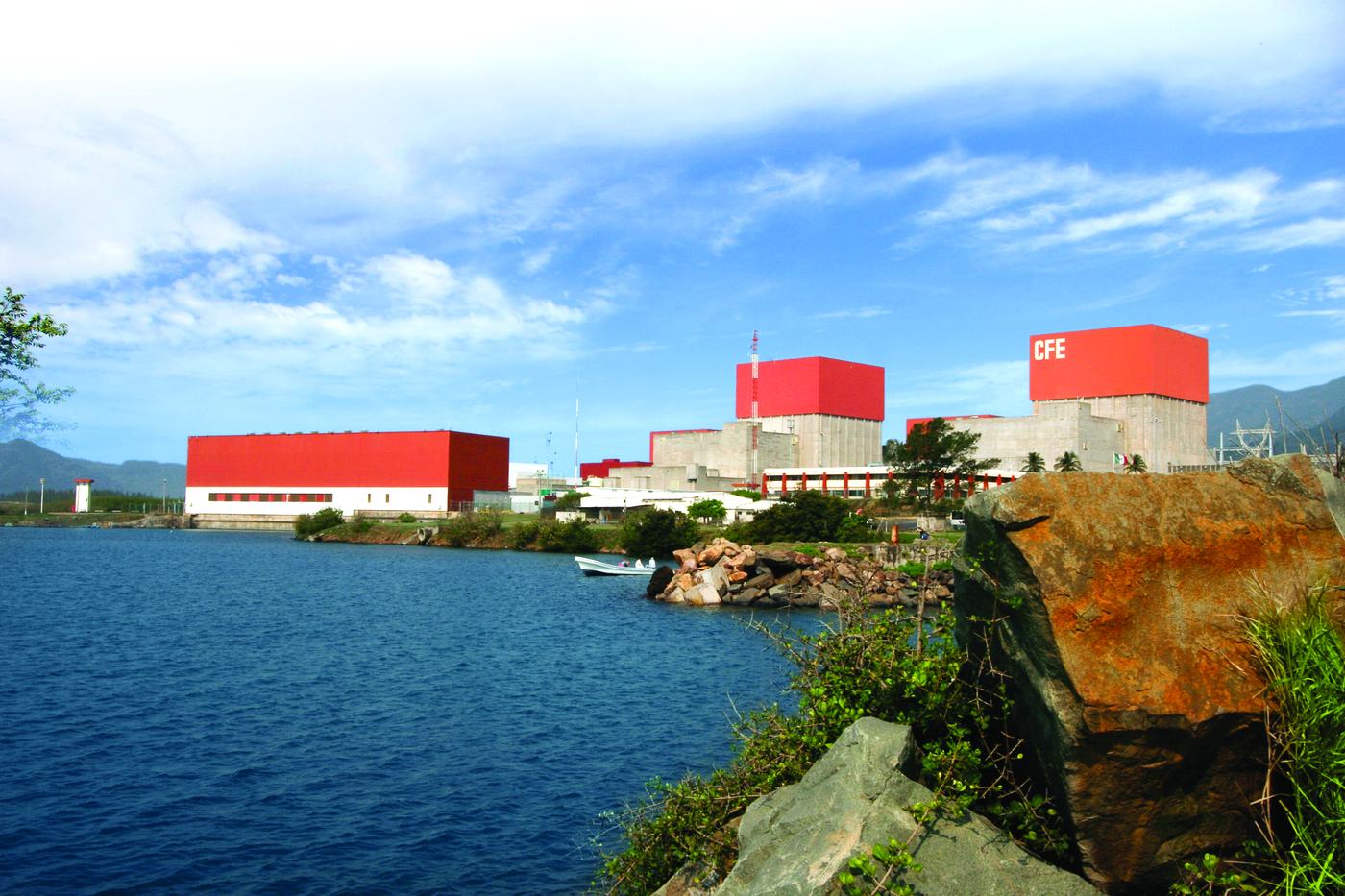
Mexico helped write the rules that govern Laguna Verde. The Treaty of Tlatelolco, opened for signature in Mexico City in 1967, bans nuclear weapons across Latin America and the Caribbean. It also requires safeguards for nuclear facilities, including Laguna Verde.
A city that drained its lake now lifts replacement water a kilometer uphill, on power from a grid that includes a reactor.
The Mind
Castro Reguera described an idea engineers have presented: desalinate water from the Pacific and pump it up to 2,240 meters. A bigger pipe, this time from the ocean. It would still have to be lifted, and it would still pass through someone’s land to get there.
The problem, she said, is “in our minds, not necessarily in the necessity of water itself.”
Back in Chapultepec, Tláloc lies in his basin, and the mural painted for water survives only because the water was routed around it.
The lake is still there, underneath.
Vignette
Huachicol
In February 2023, Adriana Rojas, a resident of Ecatepec, north of Mexico City, was up to date on her water bill, but water hadn’t run through her pipes for five months. “We have to buy it from the huachicoleros,” she said.
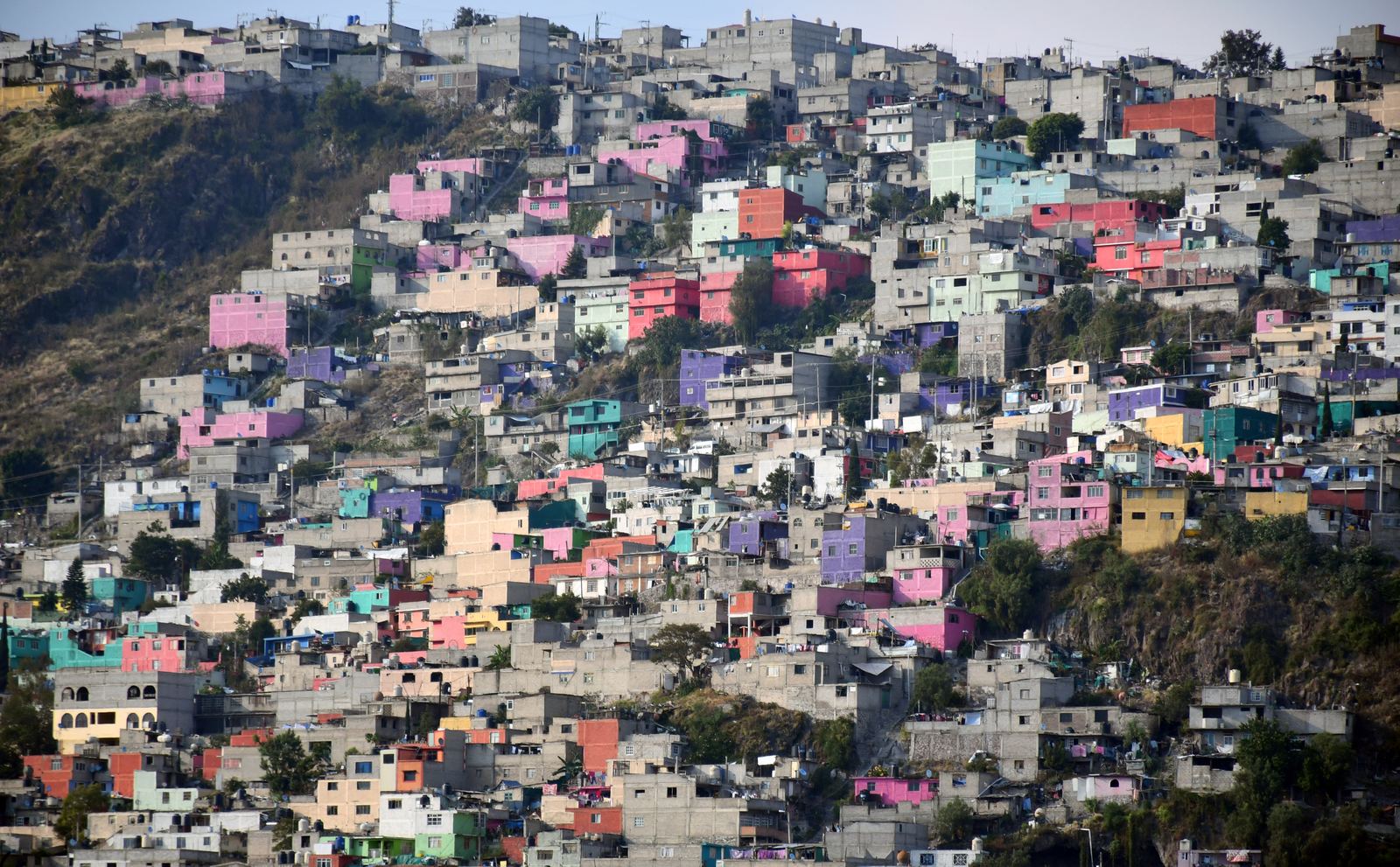
Huachicoleros originally meant fuel thieves. Water thieves use the same methods to tap public pipelines and sell the water back to residents by tanker truck, known as pipas.
Between 2019 and September 2023, utilities detected at least 131,603 clandestine taps in 239 municipalities. In one example, Civil Guard agents in Michoacán shut down a pump and hose drawing water from Lake Pátzcuaro to irrigate an avocado orchard. Officials said it had been taking over 105,000 liters a day.
The State of Mexico’s investigation found that groups posing as unions required residents to buy from affiliated drivers. Their trucks displayed the groups’ logos and stickers. The state said water sold in Ecatepec had a 59% markup over the regulated rate. It also said water from clandestine wells was chlorinated but not made potable.
Ecatepec’s water agency had estimated in 2022 that about 1 million liters of water were being stolen each day—enough to fill 100 pipas of 10,000 liters each.
The agency’s director said the suspected network had operated for over 20 years. He said six investigations had been opened with state prosecutors during the 2019-2021 municipal administration. The complaints identified suspected members. In February 2022, he said officials were still waiting for results from prosecutors.
Researcher Maribel Espinosa Castillo told Courthouse News that water sales had become “for the time being the system of water distribution in Ecatepec.”
In October 2025, the State of Mexico launched Operación Caudal across 48 municipalities. Authorities located 51 wells and 138 clandestine taps and seized 322 water trucks. Investigators said the networks also included communal land officials and private individuals, and that some public servants were involved. Seven people were arrested during the operation.
On Oct. 27, pipa operators and water-purification businesses blocked roads in Ecatepec and neighboring municipalities, including routes into Mexico City.
The agreement that ended the blockades called for reviewing closed wells, verifying water sources, and limiting extraction while resuming supply to formal businesses.
That’s the hinge-point. The wells were closed. The trucks were still needed.
In her 2017 book “Water and Politics: Clientelism and Reform in Urban Mexico,” political scientist Veronica Herrera documented how water service becomes a political bargaining chip. She told the Swarthmore College Bulletin that utilities can require residents to show voter ID cards before filling their cisterns.
In Guerrero, Los Ardillos sought control of irrigation water around Alcozacán and Mexcaltepec, the Mexican newspaper Milenio reported. Nicolás Pérez Xoyateco, a rural water committee coordinator and member of the Indigenous council CIPOG-EZ, was shot dead in Chilapa on July 24, 2022. Residents and community police linked his killing to the dispute over a spring; Milenio reported at the time no official verdict had established responsibility.
Under a 2024 constitutional reform, Mexico voted June 1, 2025, to fill about 880 federal judicial posts and hundreds of local judgeships and magistrate positions. Turnout was 13%. The rights group Defensorxs flagged about 20 candidates as high risk, including Silvia Delgado, a former lawyer for Joaquín “El Chapo” Guzmán.
In Ecatepec, the question was who could turn on the tap.
Vignette
Water Evidence
On March 31, 2024, people in Benito Juárez, a central borough of Mexico City, turned on their taps and smelled something foul. Sacmex, the city water authority, initially dismissed concerns and said the water was safe.
“The results allow us to conclude that the water supplied through the network in the neighborhoods mentioned is of good quality, suitable for human use and consumption,” Sacmex said in an April 2 statement.*Translated with AI from Spanish to English, from the linked source.
Residents didn’t believe it. They organized to raise money for their own laboratory analysis.
City officials said the contamination came from a highly localized point in the western part of the borough and consisted of industrial oils and lubricants, not gasoline. On April 10, the city announced it had shut down the Alfonso XIII well in neighboring Álvaro Obregón, where the substance had been found. Officials didn’t say how it got there.
President Andrés Manuel López Obrador said Pemex, Mexico’s state oil company, was checking a pipeline about 500 meters from the well for a leak caused by tremors or a clandestine tap. The company found neither.
Sacmex filed a formal criminal complaint April 17, saying the contamination might constitute sabotage.
By late April, the city still hadn’t publicly said what caused the contamination.
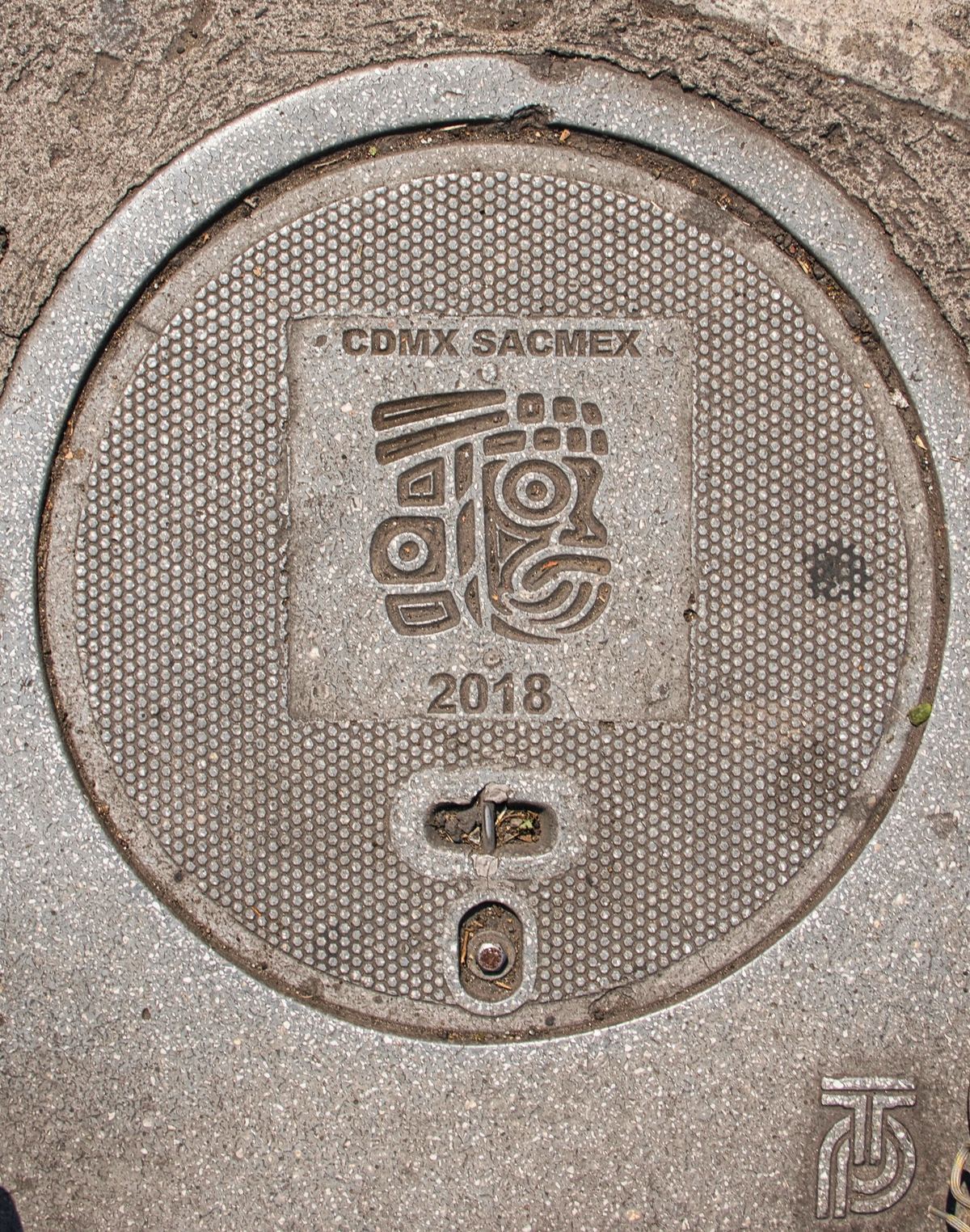
Guardianes del Agua Benito Juárez, a neighborhood group, said an independent analysis of samples detected chloroform, dichlorobenzene, and trichloroethylene, among other contaminants.
Then Sacmex’s own results moved out of public view. On April 29, its transparency committee classified laboratory results from the Benito Juárez water contamination investigation for three years. Sacmex said releasing the records could compromise the investigation and lead to “confusing and erroneous interpretations.”
That decision didn’t end the fight for information. In February 2026, the Eighth District Administrative Court in Mexico City ordered authorities to disclose laboratory studies, detected chemicals, and technical information about the contamination. The ruling also directed them to take remedial and sanitary measures. Authorities can still challenge it.
That is the hinge-point. Residents had the water tested. Sacmex tested it, too. The result that was sealed was the public one.
Mexico City’s water crisis is also being measured from orbit. NISAR, a satellite built by NASA and the Indian Space Research Organisation, measured parts of Mexico City and the surrounding region sinking by over 2 centimeters a month. NASA says “extensive groundwater pumping, combined with the weight of urban development” has compacted the ancient lakebed beneath the city for over a century.
Underground, the pipes are being listened to. In Querétaro, Microsoft is financing FIDO Tech, a U.K.-based company, to deploy AI-enabled acoustic analysis across 350 kilometers of water pipelines in the metropolitan area. In 2025, Amazon and Xylem announced pressure management and leak detection projects in Mexico City and Monterrey. The companies said the Mexico City project was expected to save over 800 million liters of water a year.
The instruments worked. What was decided was whose readings counted, and when they could be read. What counts as knowledge about water shapes what anyone can do about it.
Vignette
Water Debt
On the night of Sept. 8, 2020, Jessica Silva and her husband, Jaime Torres, were driving home through Delicias, Chihuahua, from a protest at La Boquilla dam. That afternoon, thousands of farmers had pushed back National Guard troops and taken the dam to stop its water from going to the United States.
On the road, guardsmen opened fire on the couple’s pickup. Silva, a homemaker and farmworker with three teenage children, died at the scene. Torres was seriously wounded. Mexico’s National Human Rights Commission later found the guard’s use of force illegitimate.
“We have had no rain in months and there will be nothing left for the spring crops,” local farm leader Guerrero Carillo told The Washington Post that week.
The water was owed under a 1944 treaty. Mexico sends the U.S. 1.75 million acre-feet from six Rio Grande tributaries every five years, an average of 350,000 a year. The U.S. sends Mexico 1.5 million acre-feet of Colorado River water every year. In “extraordinary drought,” a term the treaty never defines, Mexico can carry a shortfall into the next cycle.
By the end of May 2024, over 75% of Mexico was in drought, the most widespread since 2011. When the five-year cycle closed in October 2025, Mexico had delivered 50.6% of what it owed.
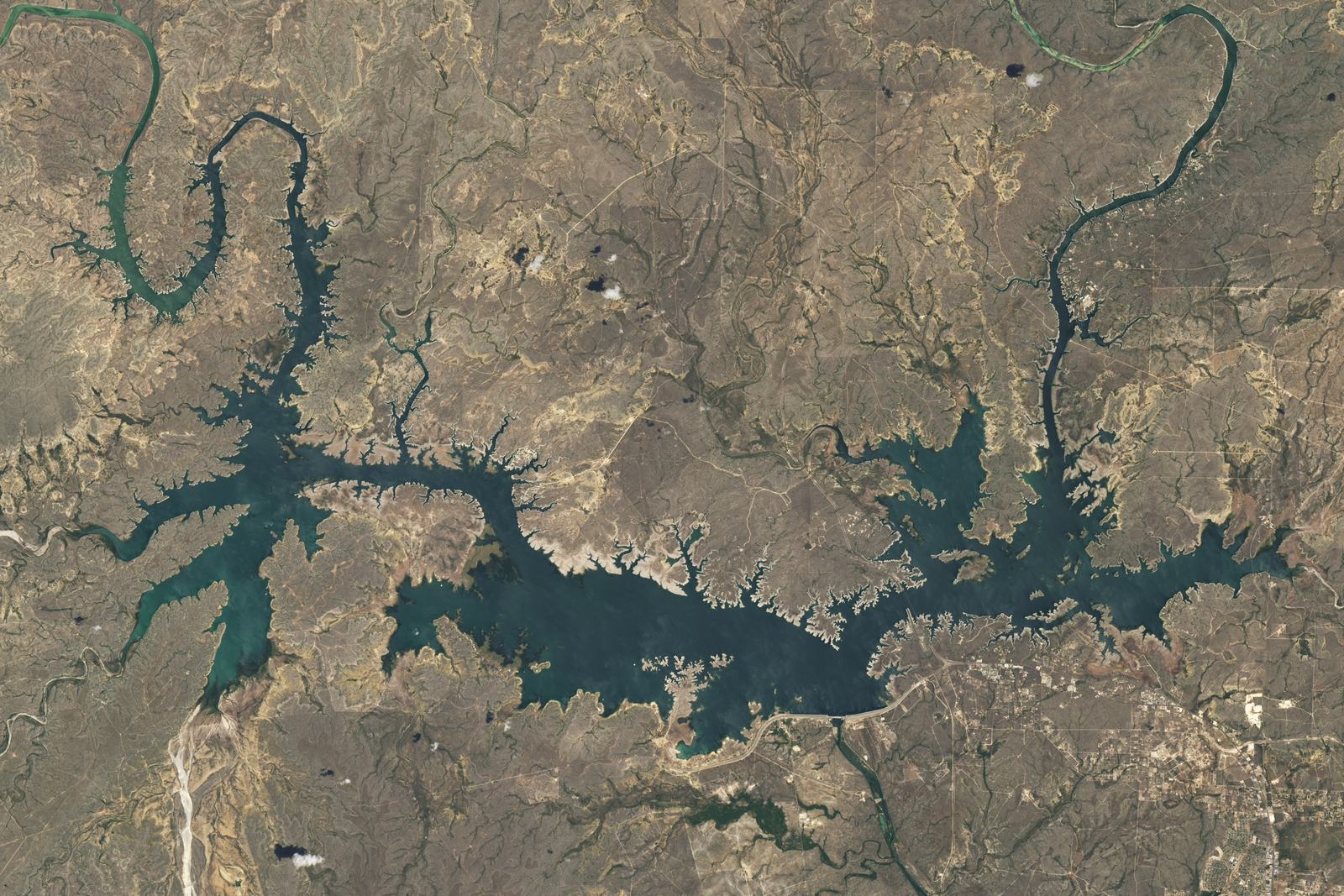 August 2016
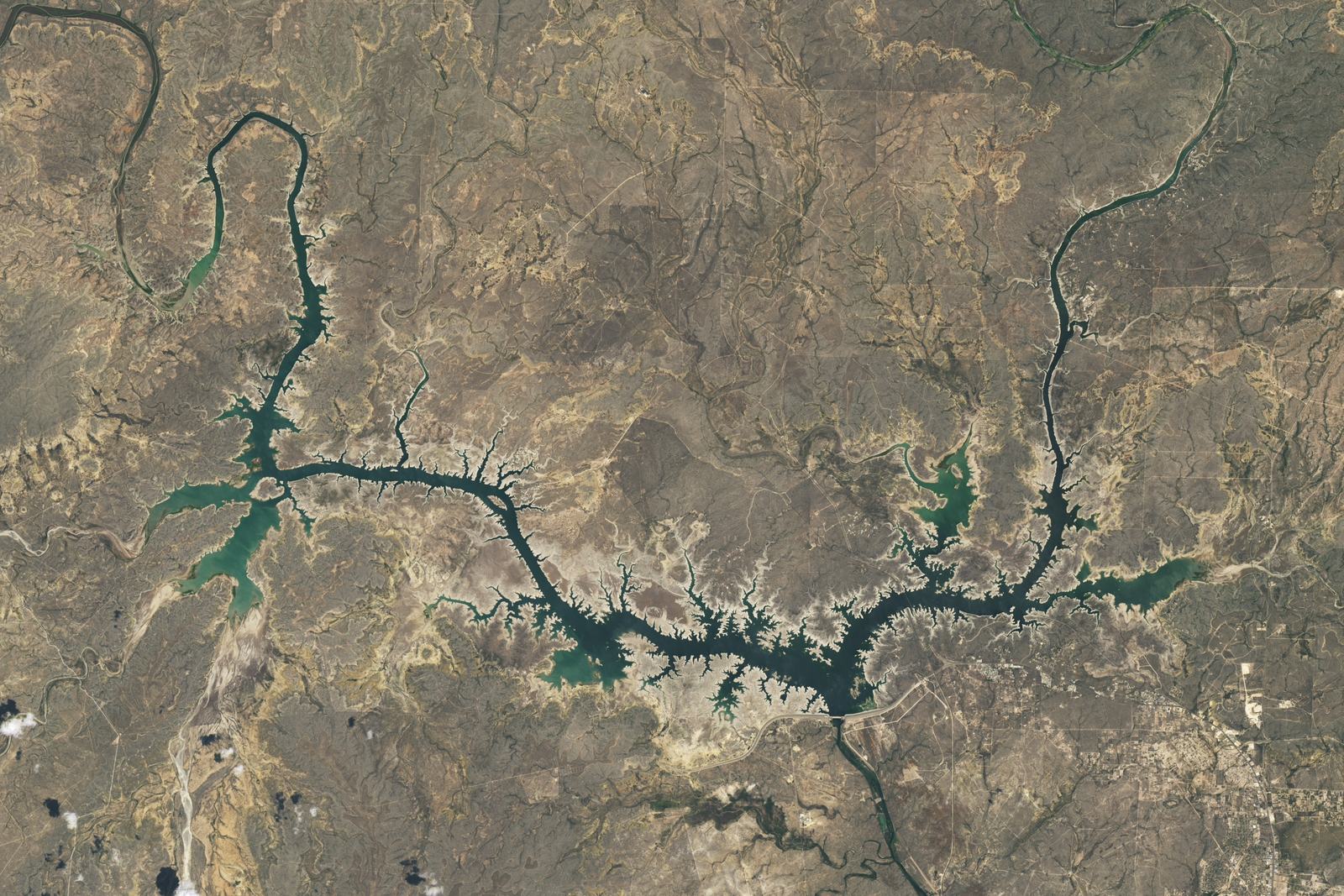 August 2024
In March 2025, Mexico asked to route part of its own Colorado River allotment through Southern California to Tijuana, at its own cost. The State Department refused, citing Mexico’s shortfall on the Rio Grande. It was the first refusal since the deliveries began.
Tijuana and Rosarito get 95% of their water from the Colorado River, according to the Baja California Water Commission.
That is the hinge-point. On the Colorado River, the same drought clause lets the U.S. cut what it delivers to Mexico, and the shortfall is never made up. On the Rio Grande, Mexico must make up every shortfall in the next cycle.
President Donald Trump accused Mexico of “stealing” Texas’ water in April 2025 and threatened “TARIFFS, and maybe even SANCTIONS.” In December 2025, he threatened a 5% tariff unless Mexico released 200,000 acre-feet by Dec. 31, with a review of the U.S.-Mexico-Canada Agreement ahead.
“We have experienced three years of drought, and to the extent that water has been available, Mexico has been fulfilling its obligations,” President Claudia Sheinbaum said. Four days after the threat, Mexico agreed to release 202,000 acre-feet.
Whether Mexico broke the treaty is disputed. Its foreign ministry said it met the terms of an April 2025 deal. Texas lawmakers said it fell far short. It wasn’t the first time Mexico had played catch-up.
In February 2026, Mexico agreed to deliver at least 350,000 acre-feet every year and to repay the old debt on a set plan. In September, the two countries signed Minute 334, which cuts Mexico’s Colorado River allocation by 250,000 acre-feet a year for 2027 and 2028.
Farmers held La Boquilla for over a year. Six guardsmen were detained. One was ordered to stand trial for Silva’s homicide.
Vignette
Data Valley
In 2024, Colón, a municipality in the semi-desert state of Querétaro about 200 kilometers from Mexico City, was two years into a drought. The national drought monitor classified it as exceptional, its highest level, from April through July. Dams were nearly empty. Residents said piped water arrived every eight to 15 days.
“We had never had such water scarcity,” Agripina Nieves, who runs a restaurant in Colón, told Context, the Thomson Reuters Foundation’s news service. Guadalupe Hernández, a 68-year-old blackberry farmer, said she had lost 60% of her crop.
“Querétaro is becoming the data centre valley,” Marco del Prete, the state’s secretary for sustainable development, told Context. Colón had received $10 billion of investment for new data centers from Microsoft, Google, and Amazon. CloudHQ later announced a $4.8 billion project to build six more for cloud computing and AI.

Most data centers in Querétaro operate in industrial parks, which exempt them from providing environmental impact reports. In October 2023, a Microsoft subsidiary obtained a permit to extract 25 million liters of water a year, for at least 13 years, from the San Juan del Río Valley aquifer, according to El País.
The same day, the real estate company that manages the industrial park next door received a concession 23 times larger. Microsoft didn’t answer El País’ questions about whether it has other permits in the aquifer.
Two years earlier, in 2022, the state’s sustainable development ministry determined that Microsoft’s data center “activities are not considered fixed sources of emissions.” That’s the hinge-point.
“The data centre is a service company that doesn’t process supplies or generate direct emissions. It doesn’t need to obtain an environmental impact report,” del Prete told Context. In another interview with El País, he said, “It is not within my authority to ask a data center how it cools its servers, just as it is not to ask an office building about its cooling system.”
Data centers need cooling. Microsoft said its Querétaro facilities use cooling water less than 5% of the year. AWS said its planned facility would use an air-cooled design that wouldn’t require ongoing cooling water. Air cooling shifts the demand to electricity. The power plants that supply it also run on water, Diana Baptista, the Context journalist who reported the story, said in a 2024 interview.
In La Esperanza, the village below Microsoft’s site, water is rationed by shifts between streets. “Sometimes we go without water for up to 15 days,” Manuel Rodríguez Lorenzo, the community delegate for La Esperanza and seven other rural communities in Colón, told El País. Asked about the data center’s water use, he said he hadn’t known the facility needed water: “We didn’t have that information.”
Residents also told The New York Times that water outages and power cuts worsened after the facility opened. Microsoft said it had found no indication its data centers contributed to regional blackouts or water shortages. In La Esperanza, about 50 people fell ill with hepatitis in the summer of 2025 during water outages that made basic hygiene difficult, Dr. Victor Bárcenas, who runs a local clinic, told the Times.
In 2024, Microsoft said its new data center region would help create over 300,000 jobs across industries. In 2025, its one operating data center in Mexico employed 64 people, according to the company’s own numbers. Microsoft also funds leak detection in Querétaro’s pipes. Del Prete said the state didn’t have data on how much water the data center cluster had been allocated.
Story
The Chinampa
The Mud
On a morning in 2022, two members of the Arca Tierra team pressed squares of dark soil with their thumbs and dropped a seed into each one. The soil was dug from the bottom of the canals. They were making 32,000 of these squares, called chapines, and within two weeks, 90% to 95% would sprout.
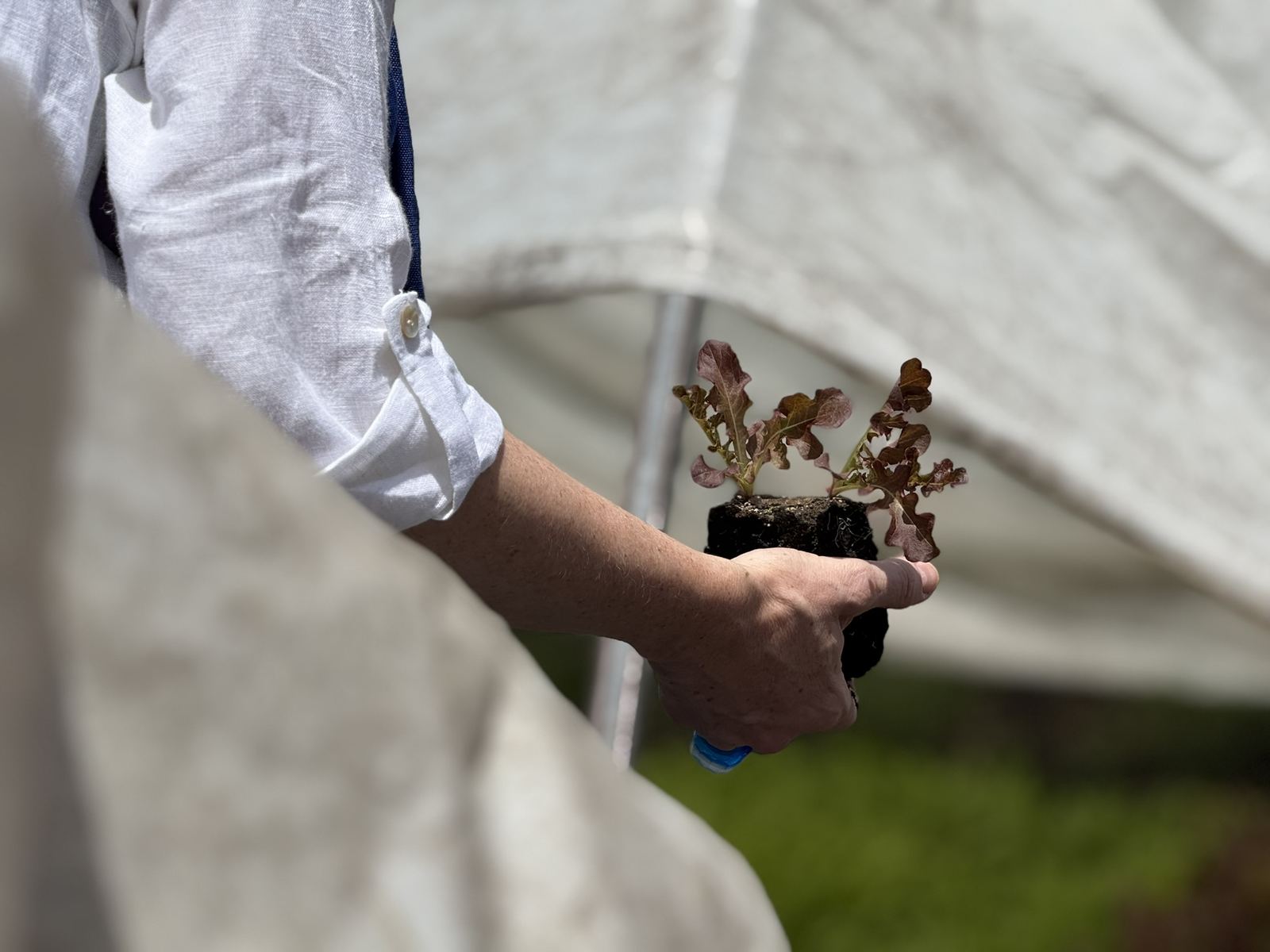
The Basin of Mexico is endorheic: a closed basin with no natural outlet, which is why it formed a lake system. In the rainy season, the lakes joined into one body; in the dry season, they split into five. Volcanoes ring the basin, and the rain that runs off them carries minerals into the lake. The mineral-rich silt helps farmers produce five crops a year, said Loreta Castro Reguera, a Mexico City architect speaking to members of Women Transforming Global Security in Chapultepec in September 2026.
Farmers built chinampas in shallow water, enclosing plots with woven reeds and layering them with vegetation and lake-bottom mud. The plots are still built and maintained the same way, with roots, mud, and the waste from the previous harvest, using and reusing everything the fields produce. Organic matter helps the soil retain water. Water rises from the canals through capillary action. Ahuejote roots help stabilize the plot’s edges against erosion. The canal irrigates the crops and carries the boats.
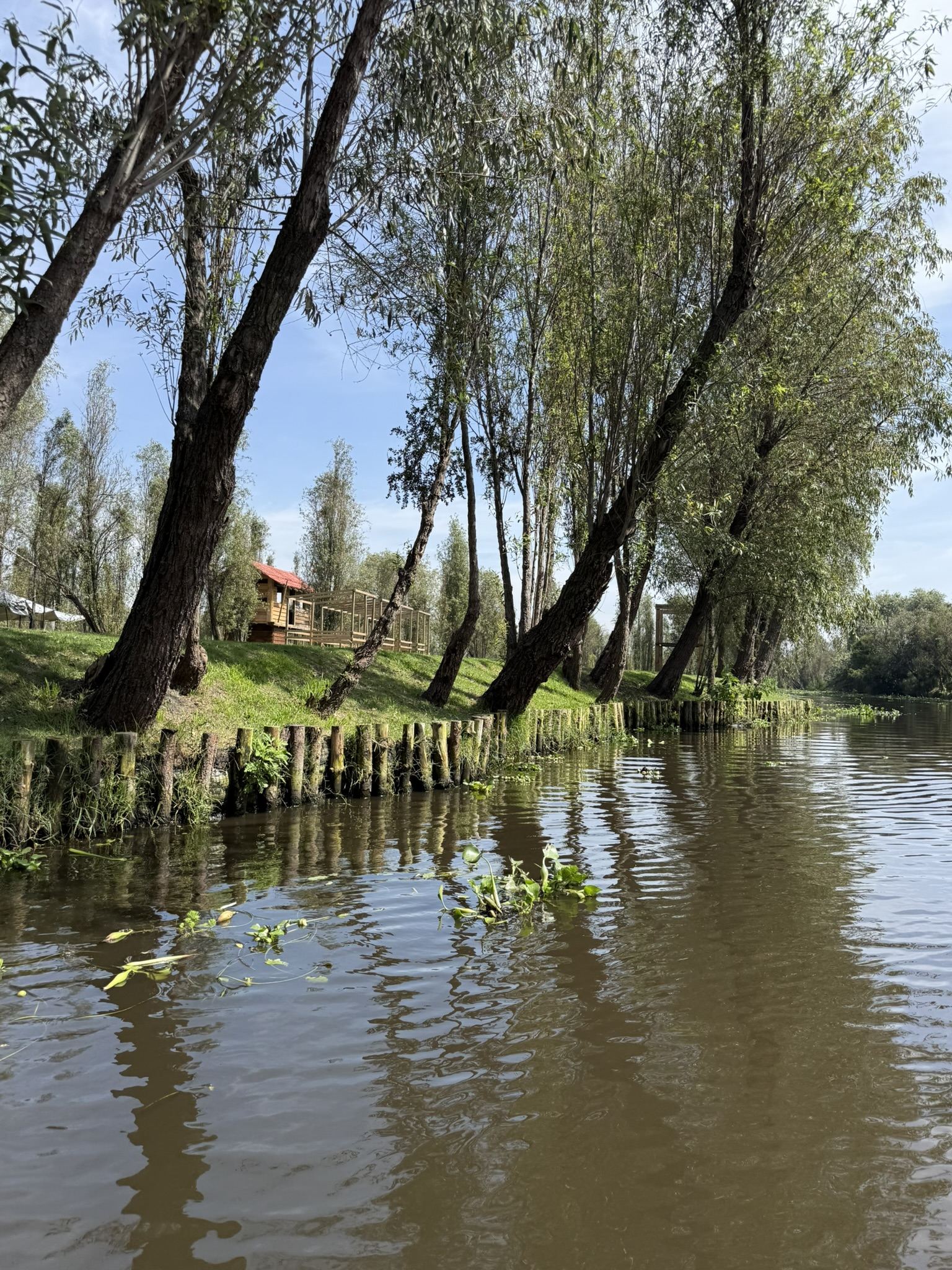
The City
People have lived in the basin for at least 3,000 years, always around the water. (Lecture 00:05:14) In 1325, a group of migrants from the north founded Tenochtitlan on a small island in Lake Texcoco. (Lecture 00:06:11–00:07:39)
They were the Mexica. “Aztec” caught on after the German scientist Alexander von Humboldt used it in the early 1800s.
The city was built through the chinampa. (Lecture 00:08:36) As it ran short of land, its people extended the island into the shallows, building plots for houses as well as crops. The causeways to the shore also carried water and served as dikes. (Lecture 00:13:19)
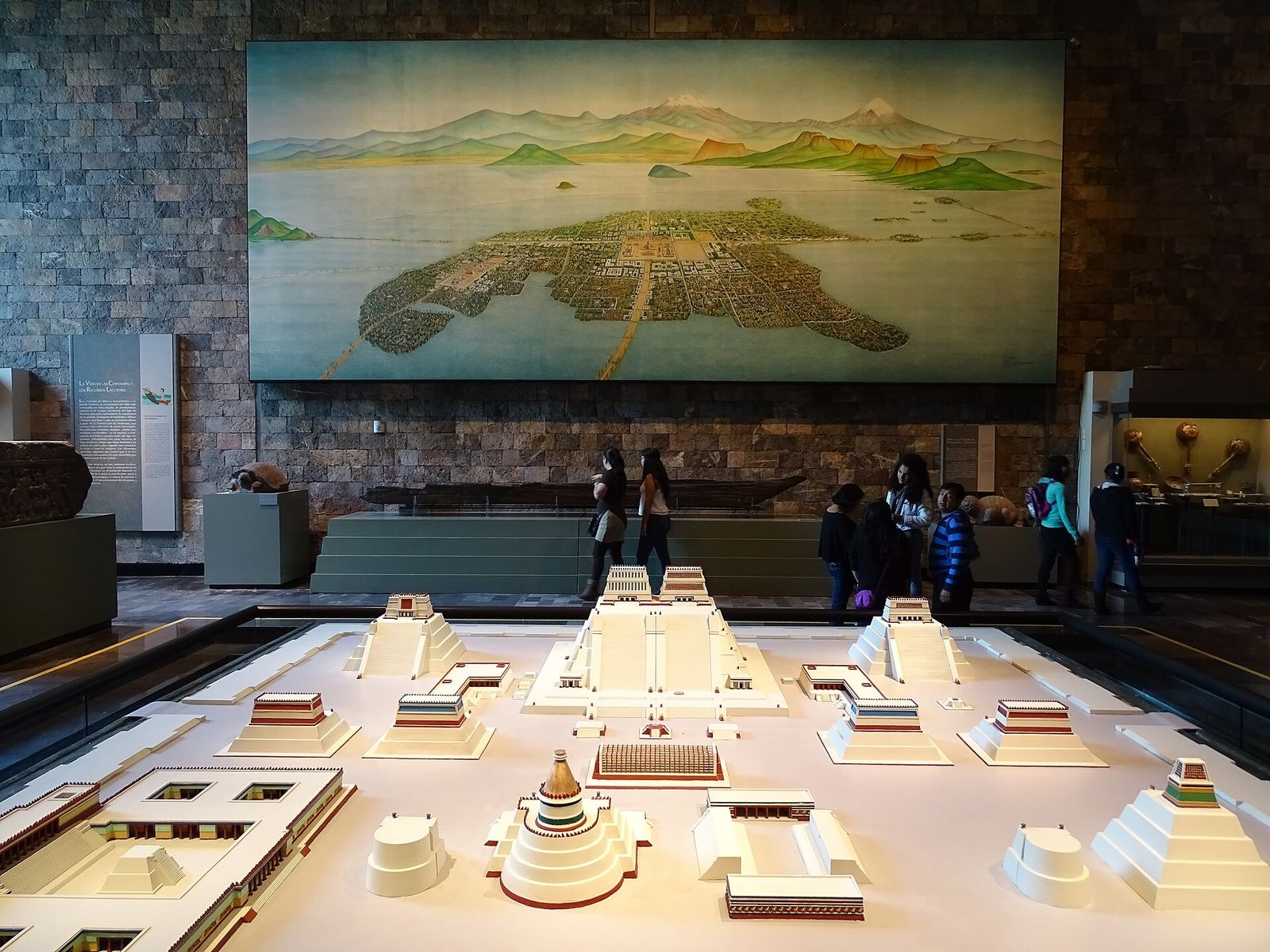
“The city was imagined as a garden,” Castro Reguera said. The larger city and the smaller gardens were designed the same way, “almost like a fractal,” she added.
Tenochtitlan stood for nearly 200 years, from 1325 to 1521. (Lecture 00:07:39)
The Checkerboard
The capital of New Spain went up on a European model, a checkerboard of streets with plazas at regular intervals, its layout still influenced by the canals of the old city.
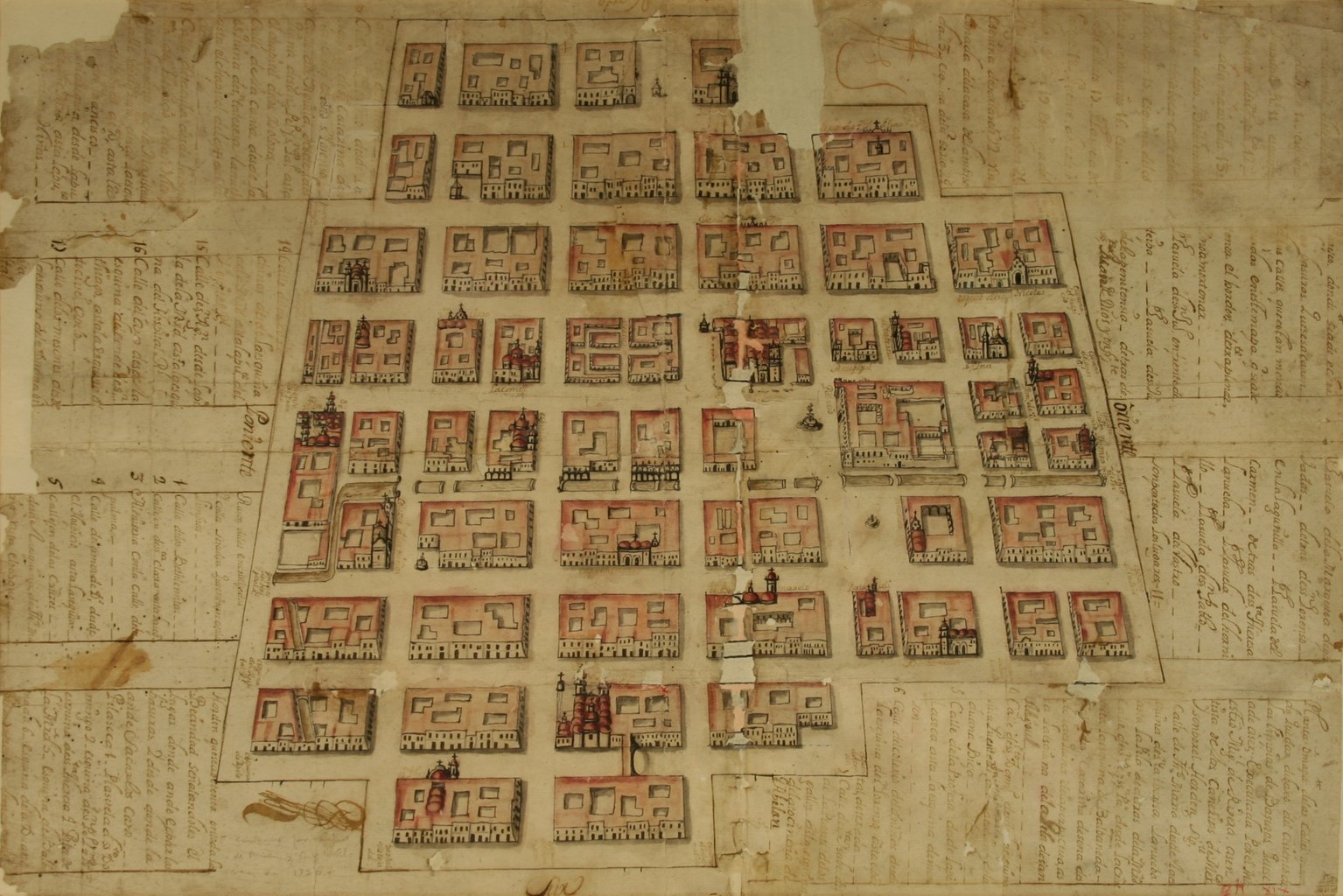
The canals had dispersed the rain. Plazas and streets didn’t, and with no outlet from the basin, the city flooded. (Lecture 00:14:17–00:15:13) After floods in 1604 and 1607, the colonial government cut a tunnel through the mountains to the north to take the water out. It opened in 1608.
Draining the lakes to stop the floods and expand the city turned the lake landscape into a dry valley, and large areas of chinampas went with the water.
Both systems were engineering. The chinampa worked with the lake, keeping water in the basin and turning what it carried into soil. The tunnel worked against it, sending the water out of the basin and taking the farmland with it.
A 2022 study described continued water extraction through clandestine wells and estimated that about 16% of the chinampas’ original extent remained.
The Remnant
Xochimilco is 28 kilometers south of the city center, on what’s left of the lake. UNESCO listed it in 1987 as the only reminder of how the lagoons of this basin were used before the conquest, a “half-natural, half-artificial landscape.” The chinampas are human-made islands, “based on the combination of environmental factors and human creativity,” and one of the most productive and sustainable agricultural systems in the world.
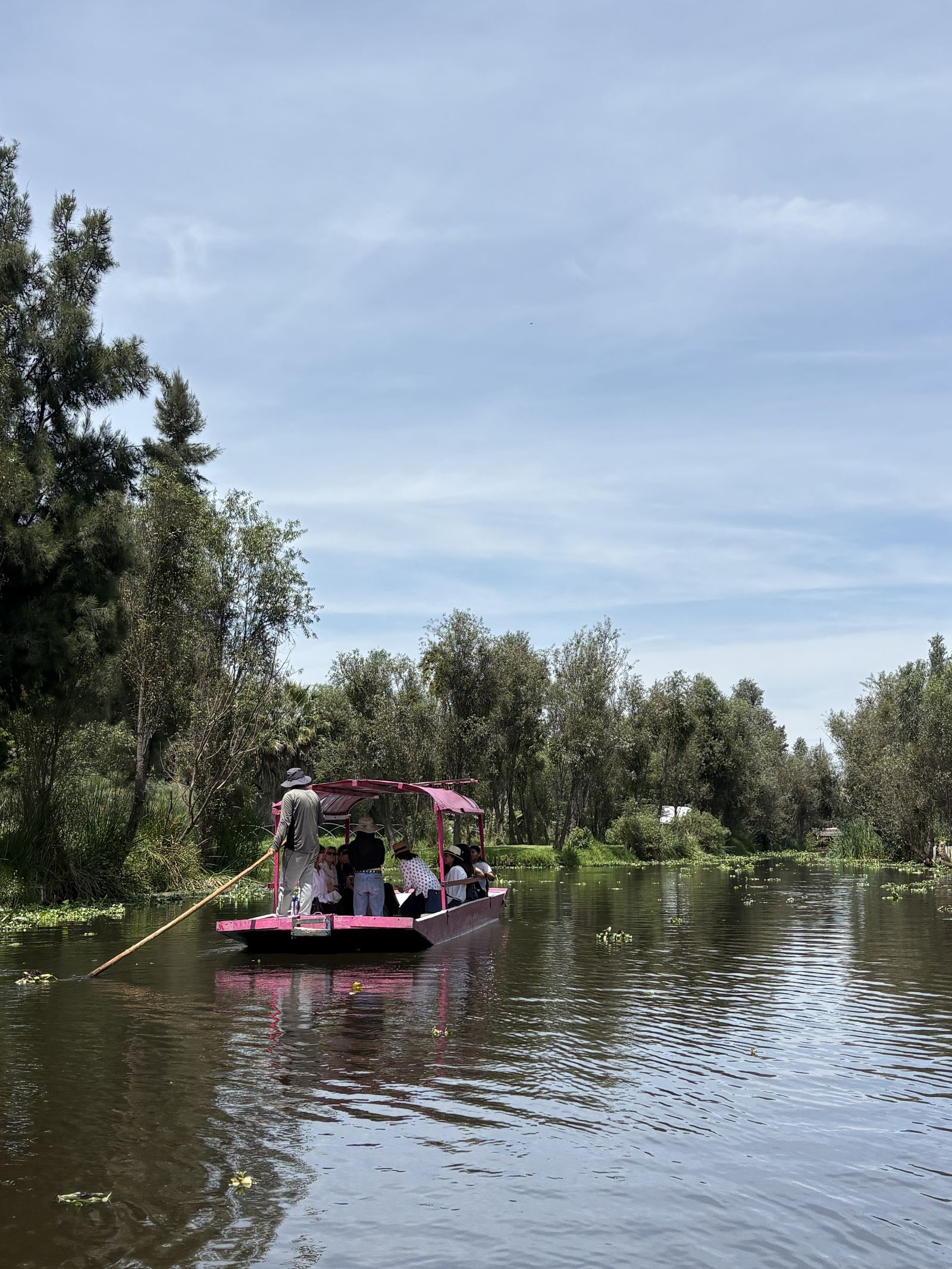
Of the 20,922 chinampas counted in Xochimilco, Tláhuac, and Milpa Alta, fewer than one in five are still being farmed.
The Return
“There is no school for chinampa farming,” Eric Enríquez, a farmer whose grandfather taught him, told UN News.
Mariana Cruz, a historian from a family of chinamperos, told UN News: “Many families have stopped farming. First of all, because of the stereotype that the farmer is poor.” And: “The work of the farmer is as important as the work of a doctor.”
Today, a generation of young people from chinampa families, who have been to university and still live in Xochimilco, wants to recover this land. (Lecture 00:27:43)
Part of that return is Arca Tierra, a regenerative-farming network that restores chinampas with agroecology. Lucio Usobiaga founded it, and it has worked with Xochimilco’s chinampa farmers since 2009. When Arca Tierra came up during her talk, Castro Reguera called them “young researchers” who “are really pushing for this system to be recovered.” (Lecture 00:27:43)
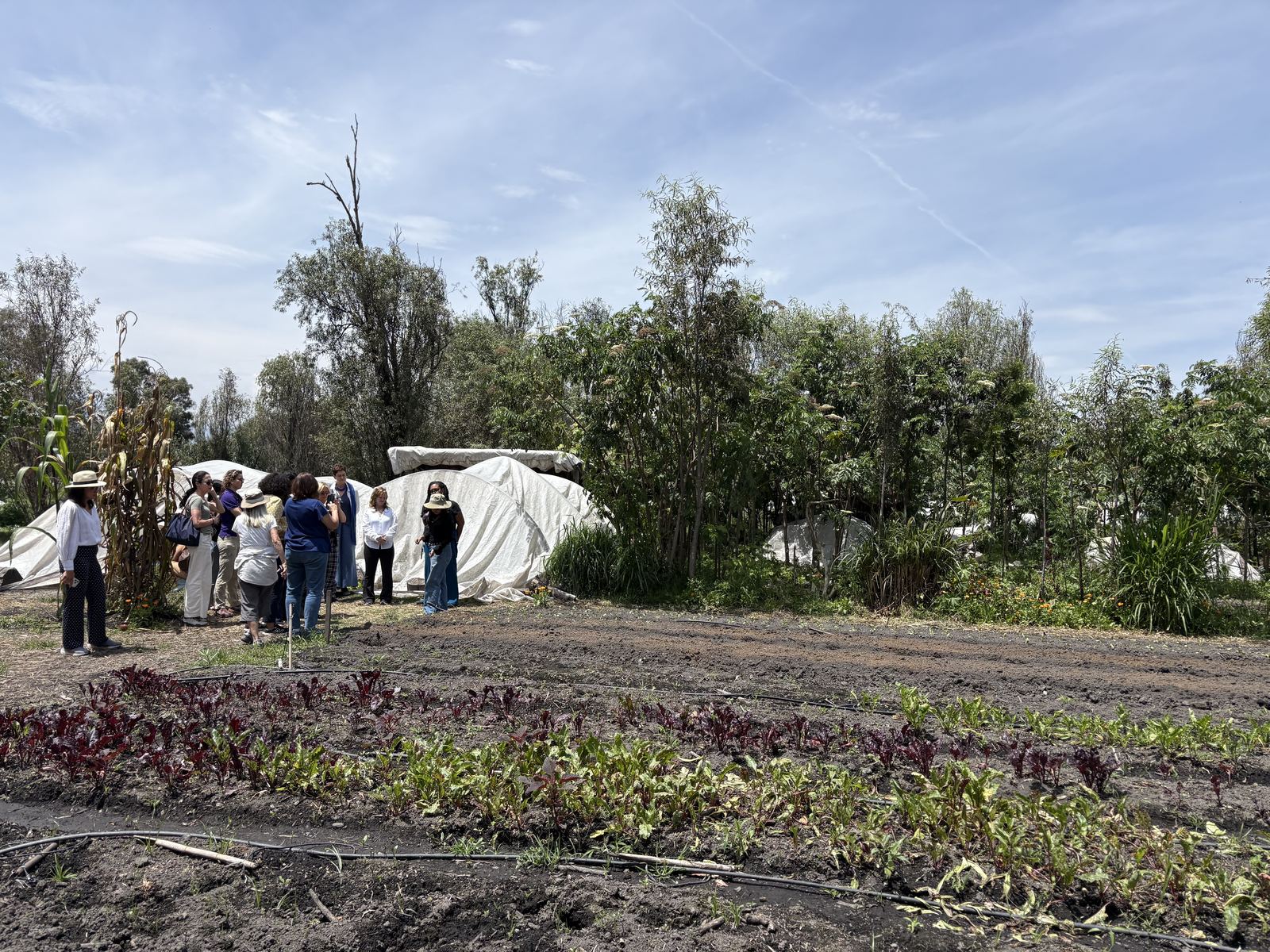
By 2022, according to a Social Gastronomy Movement profile, Arca Tierra’s own four chinampas covered 2,000 square meters and grew about 8% of what it sold. The rest came from its network of farmers. It supplied over 40 restaurants, delivered subscription baskets to households, and paid its farmers and its team of about 35 fair wages regardless of the local market rate.
Usobiaga told the Resilient Cities Network: “Most of the new people arriving in Xochimilco are migrants from other rural settings. The idea is to teach them about sustainable agriculture and other topics in a 9-month program.”
In 2025, the U.N. University’s Institute for Environment and Human Security made the chinamperos the subject of a film for its Interconnected Disaster Risks report, which tracks how disasters link to one another and to human behavior. One of the report’s five fundamental changes is thinking in centuries and asking what it means to be a good ancestor.
“We risk losing such ancestral knowledge when today’s decisions disregard the impact on those who come after us,” said Liliana Narváez, a co-author of the report.
The Pressures
Mexico City has grown around the remaining chinampas. Development, groundwater extraction, pollution, and abandonment threaten them, according to UNESCO.
The city drained the lakes, pumped groundwater, and built over the hillsides where rain once replenished the aquifer. (Lecture 00:16:11–00:17:09; 00:20:56–00:22:51)
The chinamperos live with the results, and climate change has added its own pressure. “First, there were very clear seasons of rain, heat, cold,” Enríquez told UN News. “But with climate change you no longer know when it will rain or be cold.” Materials that cushion heat, cold, and hail exist, he said, “but not all of us have the money to invest in all these types of tools.”
“There were even freshwater clams here. Fish, turtles, snails, axolotls,” said Samuel Luna, Enríquez’s grandfather. “But there are big problems right now with pollution and water scarcity.”
The axolot’s only natural habitat is what’s left of the basin’s lakes: Xochimilco’s canals and the remnant of Lake Chalco. It’s critically endangered. In 1998, there were about 6,000 axolotls per square kilometer, according to researchers at the National Autonomous University of Mexico, known as UNAM. By 2014, a UNAM census counted 36 per square kilometer.
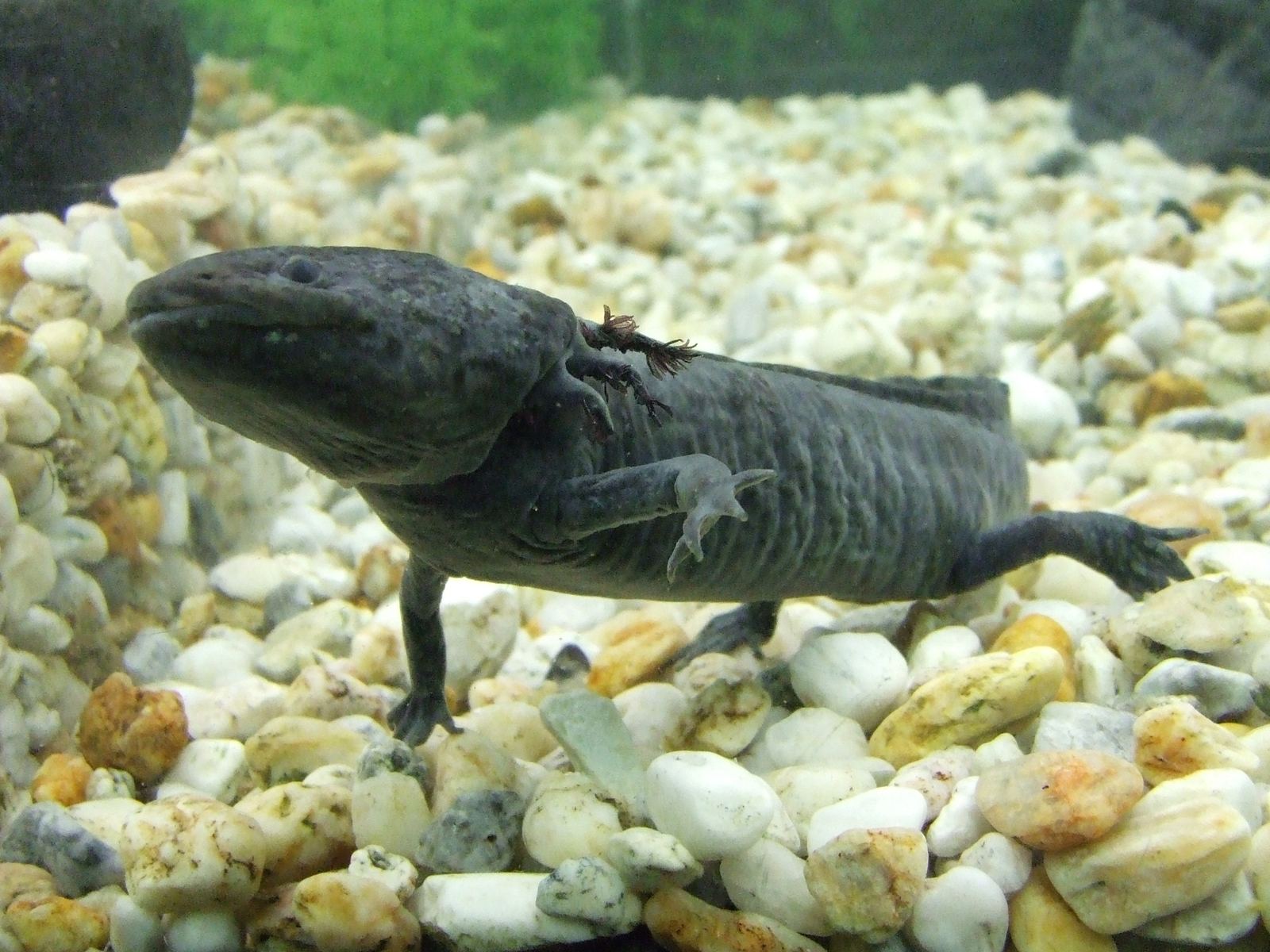
The causes are pollution, urban expansion, and invasive carp and tilapia. Chinampa Refugio, a project conceived by Luis Zambrano, a biologist at UNAM’s Instituto de Biología, built its rescue on the chinampa: a refuge canal beside the plot, sealed off by biofilters that keep the fish out. By January 2025, the lab had 31 such units with local farmers, toward a goal of over 300.
“People must understand that the axolotl cannot survive without Xochimilco, and Xochimilco cannot thrive without the axolotl,” Vania Mendoza, who coordinates the project, told TecScience, Tecnológico de Monterrey’s science news site.
The lab builds each refuge with a local farmer. The biofilters are made of tezontle, a porous volcanic rock that lets water through and traps debris, and native plants along the edges filter it further. The water inside is of “much higher quality in terms of temperature, pH, and dissolved oxygen,” Mendoza said.
The refuge protects the axolotl, and the harvest gives the farmer an income from the plot. A soccer field or an event venue would earn a landowner more.
“The farmers we work with know this isn’t the most profitable option, but they do it out of love for Xochimilco,” Mendoza said.
The Garden
Mexico City gets about 700 millimeters of rain a year, Castro Reguera said, and drains it out of the basin. The chinamperos’ return offers a model for keeping water in the basin. Her studio’s motto is that public space has to be infrastructure: catching rain, holding floodwater, slowing its run to the drains, and even cleaning it through wetlands. (Lecture 00:27:43–00:29:34; 00:34:52–00:35:48; 00:38:41–00:39:07)
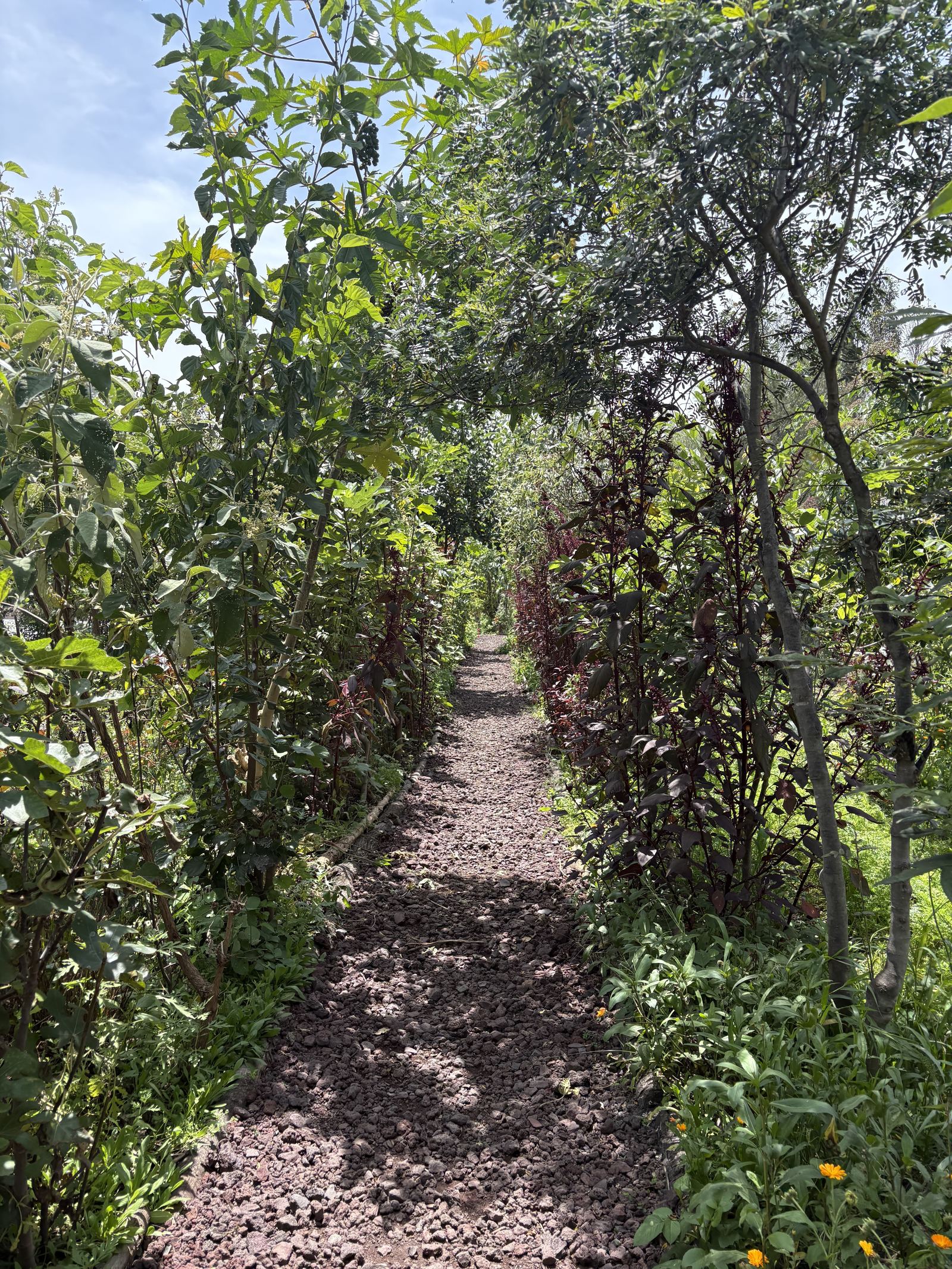
Chapultepec Park, Castro Reguera said, is a place to understand the image of a garden in the lake, which can still be read in the city’s layers. (Lecture 00:20:56)
“We don’t see the water,” she said, “but we can feel the water all the time.” (Lecture 00:20:56)
Questions
What our five principles ask of Mexico’s water entanglement
Relationality
- The capital’s water security rests on Mazahua land. What would change if the reservoirs were governed as a commons the city and the Mazahua communities hold together, rather than as a supply the city draws from?
- Where organized crime has moved into water delivery, what would it take to rebuild trust among residents, utilities, and authorities?
- What partnership among utilities, technology companies, and neighborhoods could make data centers a source of water resilience?
Care
- What would change if technology companies treated their data centers’ water use as an obligation to the communities nearby?
- What shared drought and outbreak planning could protect both the capital and the communities upstream?
- What would it take to manage the remaining lake and aquifer the way chinampa farmers do, working with the water instead of controlling it?
Accountability across time
- Which decisions about wells, pumping, and data centers could be redesigned now to spare the city decades of sinking and scarcity?
- How could AI help show whether the state is meeting the obligations to protect the climate system set out in the 2025 International Court of Justice opinion, and leave a record for those who will live in the city 50 years from now?
- How could the 1944 water treaty with the United States be updated for the droughts ahead?
Plurality
- How could the observations of residents, farmers, engineers, satellites, and AI leak detectors be combined into one picture of the city’s water?
- Which forums, from the citizen participation in the new General Water Law to citizens’ assemblies, could bring that knowledge into decisions?
- Which practical, observational, and place-based knowledge will matter most?
Coherence
- If the city shared decisions about water across households, neighborhoods, and the nation, how might that change the way power works in its energy, health, and justice systems as well?
- How could stronger courts and institutions protect water systems and radioactive materials at the same time?
- What single decision could shift the city from extraction toward reciprocity?